天津海事局船舶安全检查工作组正式运行
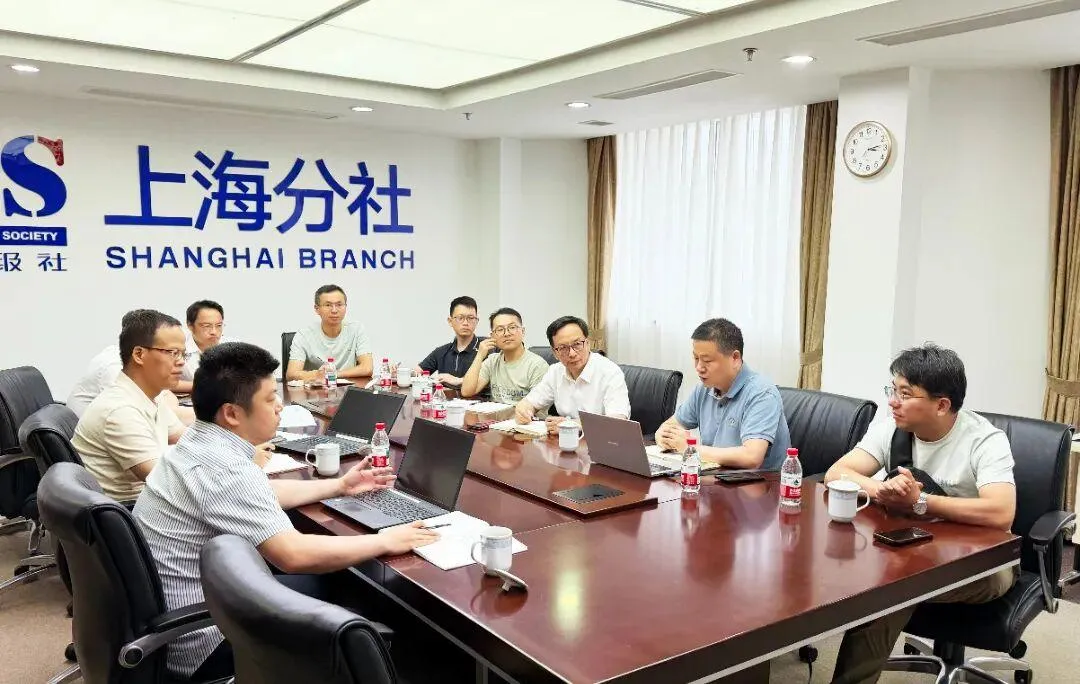
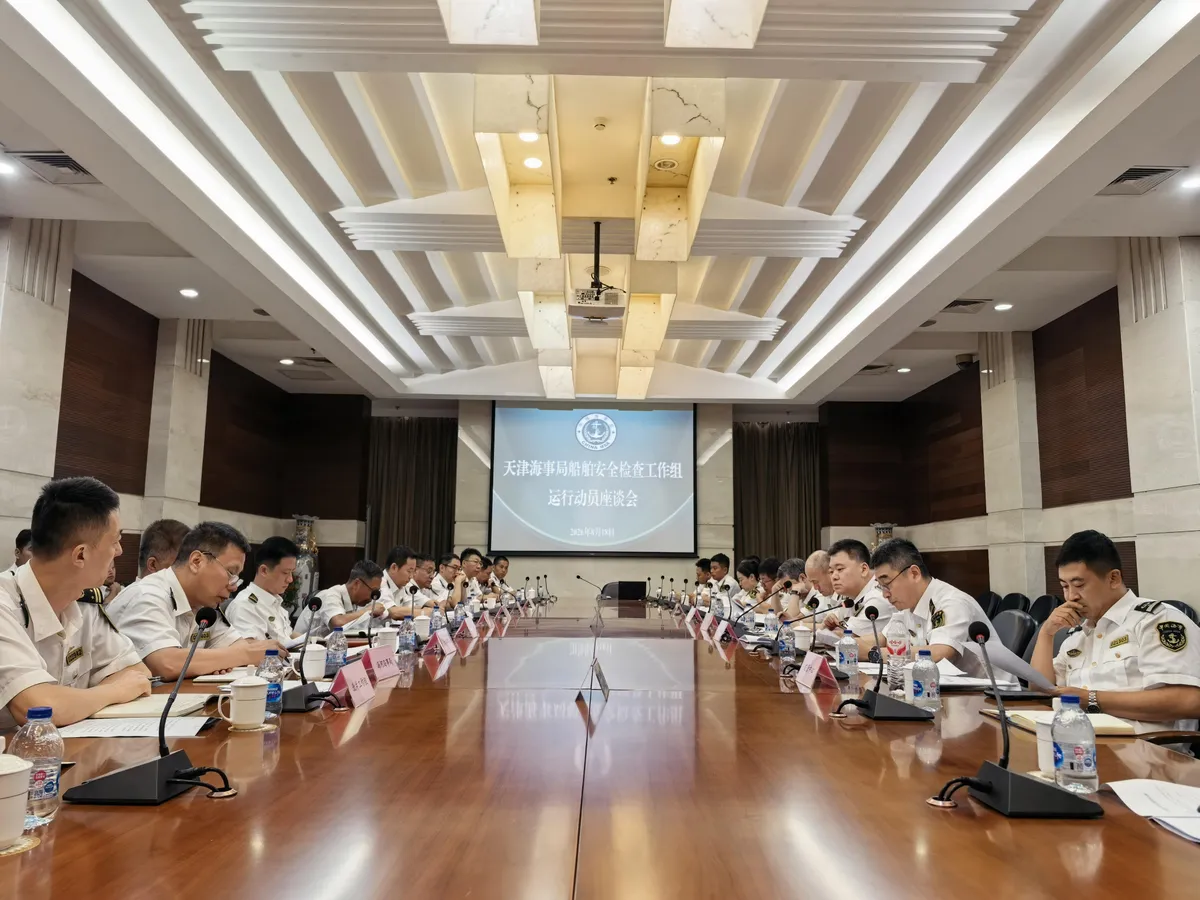
In order to continuously optimize the supervision model of water traffic safety, address the bottleneck of traditional localized and fragmented supervision, and comprehensively enhance the professionalism, standardization, and precision of ship safety inspections, on August 18, the Tianjin Maritime Safety Administration officially launched the ship safety inspection team model. Two teams were established in the southern and northern regions, and a special mobilization symposium was held, marking a new stage in Tianjin Maritime Safety Administration's ship safety supervision work.
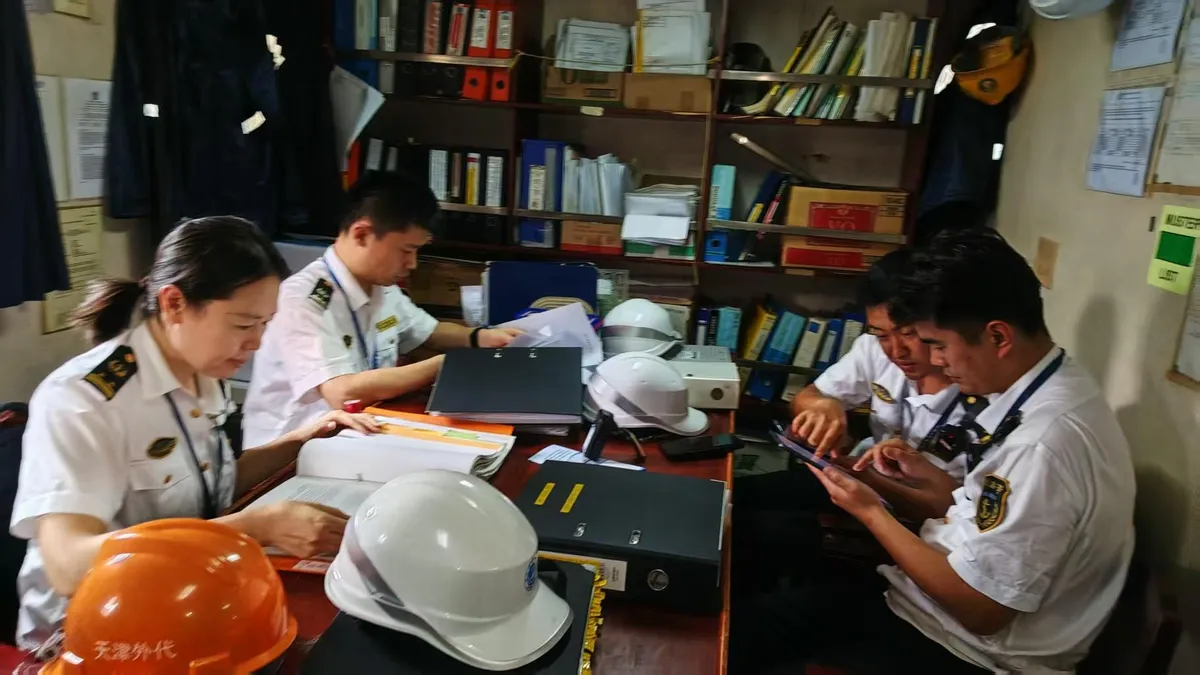
As the first maritime institution in the country to carry out Port State Control (PSC) inspections and to take the lead in piloting ship safety inspections, the Tianjin Maritime Safety Administration has been deeply engaged in ship safety supervision for more than 40 years. From pioneering PSC inspections of ocean-going vessels in 1984 to establishing a specialized safety inspection team in 2006, it has always been at the forefront of maritime compliance and regulatory reform in the country, accumulating extensive regulatory experience and solid professional expertise. The establishment of the northern and southern ship safety inspection teams is a key measure by the Tianjin Maritime Safety Administration to meet the needs of building a core area for international shipping in northern China, implement maritime regulatory reform, and empower high-quality port development.
This reform breaks the traditional regulatory model of "territorial division and fragmented operations" and innovatively establishes a new working mechanism of "overall planning, regional division between north and south, centralized efforts, and professional performance of duties." It shifts from decentralized inspections to intensive supervision, creating a unified regulatory framework. By integrating the bureau's high-quality safety inspection personnel and forming specialized task forces, it achieves coordinated deployment of enforcement resources, standardized inspection criteria, and comprehensive risk prevention coverage. This effectively addresses issues such as inconsistent inspection standards, dispersed resources, and redundant inspections, maximizing the utilization of regulatory resources, improving enforcement efficiency, and reducing compliance burdens on enterprises. At the same time, relying on intelligent maritime systems, VTS, AIS, and other information systems, it deepens technology-enabled supervision. Through big data analysis of frequent ship defects and common risks, it establishes a risk warning mechanism, focusing on precise supervision of old ships, accident-prone ships, and key voyages, thereby building a comprehensive safety barrier for water traffic.
At the mobilization meeting, the Tianjin Maritime Safety Administration emphasized adhering to the philosophy of "safety first, prevention-oriented, and comprehensive governance," strictly standardizing law enforcement procedures, implementing closed-loop management systems, upholding the bottom line of clean law enforcement, and continuously honing a professional safety inspection team. It will deepen departmental collaboration, establish a vertically integrated and efficiently coordinated regulatory framework, strictly control safety risks, continuously standardize law enforcement behavior, and optimize the operating environment for shipping companies.
In the next step, the Tianjin Maritime Safety Administration will take the operation of the ship safety inspection teams as an opportunity to continuously deepen the reform of the ship safety supervision mechanism, further enhance the intrinsic safety level of ships, and make every effort to prevent and resolve water traffic safety risks. This will provide a solid water safety guarantee for the construction of a world-class port in Tianjin and the high-quality development of the core area of international shipping in northern China.