守一江平安,惠沿江民生——安庆港区海事处织密长江安庆段水上安全防护网
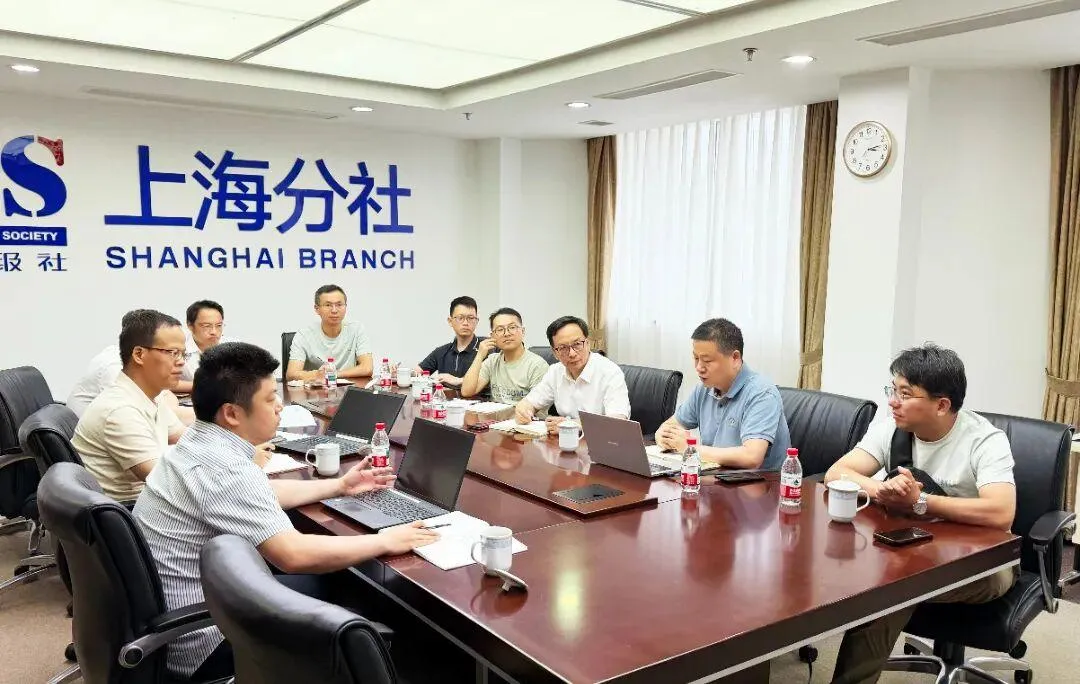
The water of the Yangtze River in the Anqing section stretches endlessly. It serves as both a vital livelihood channel for local residents crossing the river and an important link supporting the steady development of the local water transport economy. The distribution of self-use boats in the towns within the jurisdiction is scattered, with many safety hazards hidden in daily operations, making detection and control challenging. Since the beginning of this year, the Anqing Port Maritime Office has collaborated with local towns, comprehensive transportation enforcement, public security, emergency response, agriculture, and rural units to establish a multi-party coordinated water safety governance framework. Through joint rectification, source control, and risk prevention, the waterway environment has been continuously improved, ensuring stable water safety to protect people's livelihoods and promote orderly local economic development.
First, leveraging technological means, joint inspections uncover hidden water hazards. In the past, some townships' boats engaged in illegal operations, randomly crossing waterways, or privately carrying passengers and goods. These issues were highly concealed, making it difficult for a single department to fully cover them during inspections. The Anqing Port Maritime Office expanded its regulatory approach by combining aerial drone inspections, river patrol boat checks, remote video monitoring, and on-site inspections along the shore. They focused on key waterways, anchorages, and waterfront areas to promptly identify various risks such as risky navigation and illegal welding operations.
Under the coordinated organization of the maritime department, relevant units jointly carried out comprehensive special rectifications. The rectifications balanced regulatory intensity with a focus on people's livelihoods. On one hand, they standardized the navigation and operational behaviors of vessels, promoting closed-loop rectification of various hazards. On the other hand, they educated boat operators on water safety knowledge, collaborated with local authorities to explain policies related to vessel management and dismantling assistance, patiently listened to the actual demands of boat operators, and guided practitioners to voluntarily comply with safety regulations, reducing water-related violations at the source.
Second, advancing both root causes and symptoms simultaneously, township vessel governance has achieved tangible results. To prevent safety hazards from "being rectified temporarily and rebounding later," the Anqing Port Maritime Office balanced concentrated efforts with long-term construction. They proactively connected with local towns to improve institutional frameworks, assisting in the introduction of township vessel special rectification implementation plans. These plans incorporated daily vessel management, standardized handling, joint enforcement, and livelihood guarantees into standardized management, addressing shortcomings in grassroots water safety management and transitioning township vessel governance from phased special actions to normalized management.
Multi-departmental efforts have yielded visible and tangible governance results. Currently, among the 16 self-use township vessels in Shilipu Township, Daguan District, 13 have signed dismantling agreements, clearing a batch of long-standing source water hazards. This has significantly reduced the probability of accidents such as vessel collisions, fires, and personnel falling into the water, solidifying the safety foundation of the jurisdiction's water areas.
Third, focusing on nearby risks to safeguard the safety line for residents' waterfront travel. Waterfront safety concerns every household along the river. The Anqing Port Maritime Office has taken the lead in collaborating with streets, public security, transportation, and other units to conduct regular riverbank patrols, on-site advisories, and safety education. They promptly discourage dangerous behaviors such as wild swimming and unauthorized water entry along the riverbank, reducing drowning risks and protecting residents' lives.
Ferries and ferryboats are important carriers for residents traveling along the river. During holidays and major events, the maritime department leads the formation of joint inspection teams to conduct comprehensive safety "check-ups" on ferries and ferryboats. They carefully inspect life-saving and firefighting equipment, crew qualifications, implementation of safety reminders, designated parking areas for new energy vehicles, and separation of passengers and vehicles. They urge operators to maintain a constant focus on safety to ensure smooth and safe river crossings for residents.
Fourth, continuing collaborative efforts to empower local development with water safety. Safety is the foundation of people's livelihoods and the premise of development. Moving forward, the Anqing Port Maritime Office will continue to deepen the multi-departmental collaborative work mechanism, consolidate the results of this special rectification, and strictly prevent the rebound of safety hazards. Relying on the joint governance efforts of departments, they will maintain a stable and orderly waterway environment, safeguard the travel safety of residents along the river, and build a solid water safety barrier for the high-quality development of the Yangtze River Golden Waterway. (Photo/Port Office Text/Han Weixing, Hou Tiantian)